
Community
Human behaviour fascinates me. I look at myself and am at a loss to understand who I am and what makes me me. Is it the physical attributes, the social skills, the lens through which I see the world? I look at others and am amazed and equally lost to understand the intricacies of each individual. Add those individuals together into groups, and the collective is also mind-boggling. Each group has a distinct personality, and if an individual jumps from one group to another, a whole new facet is exposed.
Community is prevalent in everything from stories with characters finding or leaving a group or family, to social commentary often focusing on the details of different communities, to even influencers talking about ‘desiring community’ and ‘building community’ for their followers (although I don’t know about you, but parasocial relationships and online ‘communities’ feel less communal when doomscrolling at 3am).
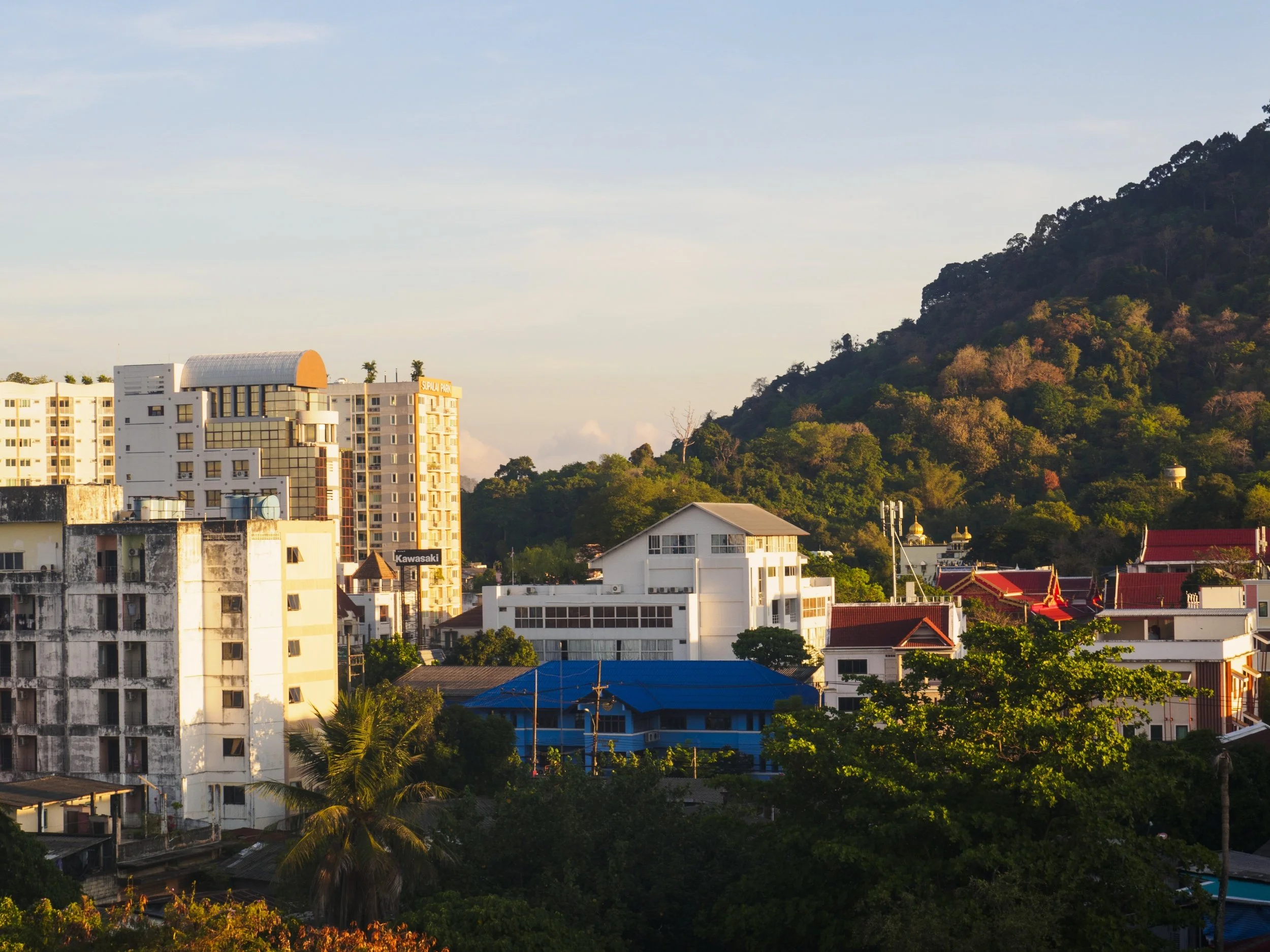
Is community just a shared space?
‘Community’ itself is not difficult to understand. A quick search provides definitions from psychology websites stating things like, ‘community is a coming together’, and then lists of attributes such as:
Shared space
Membership
Common values and beliefs
Shared experiences and customs
Connection
And so on.
If community is a coming together of shared values and beliefs, it doesn’t matter what those shared things are. ‘Community’ encompasses family, clubs, committees, workplaces, organizations, but it also encompasses cults, mobs, and militia.
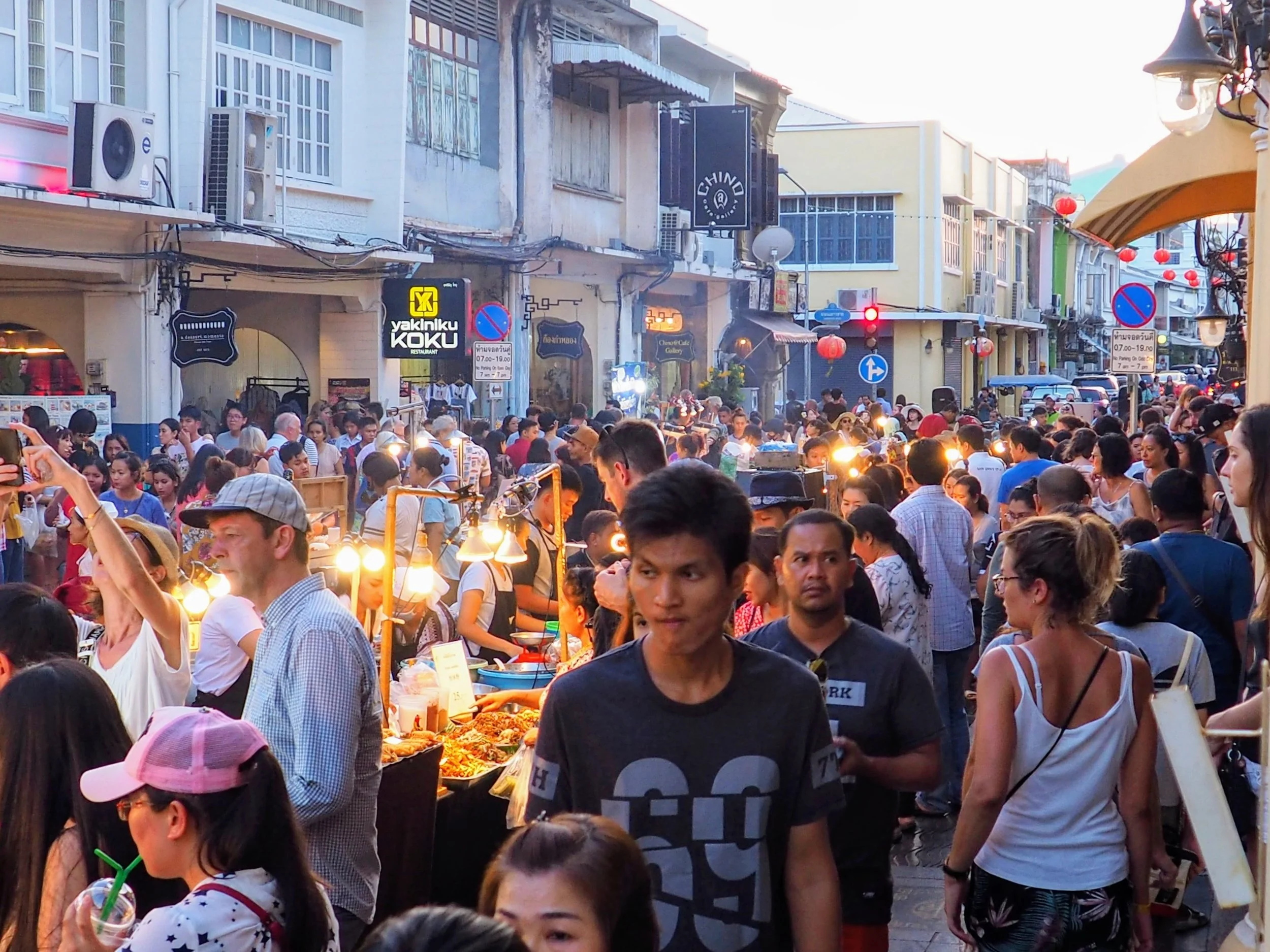
So, what makes a good community?
Thinking on this topic for the last month, I was reminded of some personal experiences:
One evening, I sat in a circle around a fire in a friend’s backyard. There was a mix of women surrounding me, different ages, vocations, family statuses, economic statuses, physiques, worries, and joys. Some of these individuals I’d known for years, others were newer friendships, and one was entering our group for the first time that evening.
As we sat in that circle, I began to share my story, why I was there and how I’d become the person I was. Every time I talk about myself, sharing intimate details of experiences I’ve had, I am always a little nervous. I worry over how much to share or keep back to protect myself, to not offend others. In preparation for that evening, I found myself in the same loop, waffling on how much to share. Ultimately, I felt challenged to be honest and see what happened. In my mind, there are always three possible scenarios.
People straight up reject my words and, therefore, me.
People hear me, are polite, and then nothing really happens. Maybe they or I become more distant.
People are drawn in and also begin to open up.
More often than not, scenario 3 happens, as was the case of that evening around the fire.
Characteristics of a good community
1. People feel safe.
Just as I witnessed after sharing my story, a healthy community offers a place of safety. You can be yourself without judgment, without manipulation, without fear or shame. It means the community offers grace and love. It means the community offers space for people to show up as they are.
2. Humility.
I’m not perfect at this. It’s easy to become a me-monster. Sometimes when I’m with others, I’m so focused on myself that I forget key details and needs of those who have welcomed me into their presence. When I do have the right mindset while bringing the vulnerable pieces of myself into conversation, I begin to focus less on myself and more on those with me. As I share and am open, suddenly I’m seeing and hearing the people I’m with, and I want them to feel seen and heard. I want to relate to them, not have them relate to me.
I make mistakes and do not know everything. I must lean on others. If all you take from this is one sentiment, let it be this: Humility looks like a willingness to be wrong and to be corrected.
Fun fact: I am married. Leading up to marriage, a piece of advice I received and have subsequently given is: ‘die to yourself’. It’s taken from the example Jesus gave in His crucifixion, dying for His Bride, dying for the world.
The thing is, I don’t believe this advice should only be given to couples. Imagine what might happen if the whole community approached conversation and relationships with the advice of ‘die to yourself.’ I think we’d see more leaders leading from below and behind. We’d see more people willing to wash feet. We’d see strength as bending low at the waist without needing recognition.
3. Diversity.
The very best communities are filled with people of different experiences and wisdom that comes from their lives, their histories, their heritages, leanings, and the way they see the world. What made that group of women gathered around a fire into a beautiful representative of community was the differences that strengthened our conversations, sharpened our faith, made us curious, kept us kind. We were not an echo chamber or individuals who shied away from our differences. Within that safe space, where none of us saw ourselves as better than another, our diversity was celebrated. Disagreement, during that time, was part of our devotion and built our faithfulness with authenticity and integrity.
I think we had a sense that unity wasn’t about ‘sameness’ but about commitment; not about winning arguments and ‘being right’, but about relationships and shared life.
4. Caveat-Free Caring
Take it from someone who has experienced the jitters of anxiety and heaviness of depression, a healthy community is one that cares for you, longs to be near you and doesn’t ‘should on’ you for any reason. When I shared my story with these women, not one of them told me I needed to get my life together, shape up or ship out. Healthy communities love well. They celebrate when you celebrate, weep when you weep. They are steady.
I wish to be more consistent than I am. But even if I missed an evening with these ladies, I didn’t feel pressured to pay penance to make up for it. Healthy communities invite contribution and trust people to respond if and when ready… without coercion. And, healthy communities pour support into its members, insisting upon everyone’s cup to be full before allowing individuals to pour support into others.
5. Clear Expectations, Kind Boundaries.
On the last evening of our honeymoon trip to Mexico, Jared and I went to our resort’s last restaurant option. Every meal had been a unique experience, and we were excited to try the cuisine this last stop offered.
When it was time to order, we listed off all the things we wanted to try, and were surprised when the waiter said we’d just ordered four entrees. That was not our intent! I felt bashful for the slight reprimand, but the menu had not made it clear to us what the difference was between courses.
Can you imagine walking into a group setting and not realizing it’s a group with a clear focus on a specific topic?
A good community and its members won’t hide the beliefs and values they hold dear. They won’t expect newcomers to be experts, or for anyone to pursue perfection, but there should be no embarrassment in engaging with a healthy community (or restaurant).
Take away
The list of qualities of a good community isn’t exhausted here. These are themes I’ve come across in support groups, small groups, church groups, work teams, and organizations. I’ve found, too, that good, healthy communities don’t just show up. They need individuals to represent these characteristics in their own lives.
I aspire to be a safe, caring, clear person who welcomes diversity in her life. I wish to be known as humble, curious and kind. Like anything, it takes work, it takes support. But if we each tried to pursue the characteristics of a community we long for, maybe we’d build more of those communities for others. Maybe we’d see ‘good community’ in action more often.
