
Otherness in Infertility
On a Sunday evening, I sat in Tim Hortons, my emotions raw and exposed. “I feel a bit raw today. November’s been a difficult month.” The sensation of 'otherness' overwhelmed me more times than I could count, leaving me to wonder if this ache would now define my normal.
Do you remember how conversations during the pandemic centred around new normals, but we all felt there was nothing normal or regular about the situations we were in? If my November was an indicator of what to expect in the next season of life, or even the rest of my life, I do not feel comfortable with that idea. My heart says this is not something I should be comfortable with; there’s nothing normal about this situation.

“It’s disheartening to be tossed aside for not being enough or being too much.”
The Pain
For the rest of my life, I will probably have some variation of this conversation: ‘I can’t have kids.’ Those words feel foreign and upsetting. That statement is typically a conversation ender, not a relationship beginner. The listener shuts down as their ideals are squashed, or I am prepared to be on the defensive for follow-up questions and comments like:
Have you considered adoption or fostering?
We tried IVF, and it worked for us.
You’d be such good parents.
Have you prayed?
Usually, those statements come from a place of well-meaning, and the one-off statements don’t typically bother me - similarly to someone mispronouncing my name for the first time, or cracking a joke about our last name. But the accumulation of those comments becomes exhausting. The sum of those questions digs at my heart, and I feel my identity losing meaning. I feel a loss of purpose and dignity in the process.
That last statement especially stings, ‘Have you prayed?’. Within that question, there’s an assumption that we haven’t prayed, or we don’t have enough faith. It assumes that if I did more, if I did my part, that God would reward me. Or, it assumes that I am punished for not doing enough, for not fulfilling some purpose by not having children. Surely I must have sinned or done something displeasing. Perhaps I am another Michal, daughter of Saul. Perhaps if I prayed like Elizabeth and Sarah and Hannah, God would hear me and I, too, could have a miracle story that would make everyone feel much more comfortable.
In the last year, I've noticed more and more of these assumptions and Biblical stories pushing a narrative that all things can be healed. That's not to say nothing can be healed, but I have not known this life to be without pain. When Bible stories and scripture and ‘Christian culture’ are used in such a way to diminish circumstances or people who are different from the ‘ideals’ the Church imposes, and they are then overlooked for not fitting those ideals, that usage becomes a weapon. That weaponization places me and anyone like me at the bottom of what feels like a caste system. My life is not perfect, so then I'm not blessed or loved enough by God, and then – because of my circumstances – I'm discardable to the Church. It’s disheartening to be tossed aside for not being enough or being too much.
Additionally, this circumstance cannot be fixed, period. One of the comforts I know many people draw on, and I've previously drawn on when loved ones have passed away, is the hope of seeing them again. Realizing this hope is not offered for every loss and hurt has been a humbling experience. For if we cannot have children here on earth, then not at all. Ever. In heaven, it's not an option. Jesus says there will be no marriage in heaven. If no marriage, then no children.

“It's a subscription system with hidden costs and fees. By overemphasizing ‘Western Christian values’, capital is applied to the free gift of the Gospel, cheapening it in the process.”
The Problem
When each conversation centers around the feeling of how to make right this broken circumstance, I am placed outside the city gates, outside the healing pool’s reach, outside of favour with the Christian community. I am an outsider, while those who exemplify perfection via the ideal Christian walk are placed upon a pedestal, above even the Gospel itself. The goal, the top tier to reach, is a life marked by a sinless existence, with a perfect family, a loving home, good jobs, and generosity. It sounds lovely and attainable if one does their part, but in reality, it's a subscription system with hidden costs and fees. By overemphasizing ‘Western Christian values’, capital is applied to the free gift of the Gospel, cheapening it in the process. Rules are added, not to a game, but to a relationship. Instead of pursuing and lifting up the unlikely as Jesus and His Father did again and again Biblically, shame is assigned to those who do not look like or sound like the ‘perfect’ version of a Christian, whatever that version is to you.
I can’t help but feel this is the experience of anyone who does not fit the ideal, anyone who is treated as a modern-day leper. ‘Thoughts and prayers for you, friend, ’ the Church says. Empty words stopping short of offering community, a place of safety, the hope of belonging and the loving act of being cared for.
After I publicly read through an honest prayer lifted to the Lord about infertility, I was asked once if a group of church-goers could pray for me. I said yes, but clarified - not for children. Why not? It seems counterintuitive to ask for the thing that would stop that hurt, right? I mean, if God wanted us to have children, He’d make it happen, and really, He still could. But that’s not my prayer or my desire. My prayer is not to be ‘fixed’, to be in a more comfortable place, or for your worldly comfort to be fulfilled. That’s stopping a symptom from showing, not the root of the matter. My prayer and thanksgiving is that I understand more what Jesus meant when he said, ‘these are my mother and brothers’, and, ‘get behind me, Satan’.
Instead, I count it a privilege to be in the place where I am, to understand the plight of the outcast, the outsider, the childless, the family-less, the broken, the poor in spirit. For as long as I can remember, my prayer has been for community, for a place where I am cared for simply for being myself. Is that not what you desire too? Is that not the desire of every person? If this is my desire, and has been my prayer since I was bullied in school, then it is an answered prayer to be able to offer the love and community I long for to those also hurting and to those needing hope in hopeless situations. It is my belief that people who know grief and suffering are all the more hospitable to the grieving and suffering soul.
Having that outlook and purpose does not stop the hurt. I was not given a choice in this outcome or prepared for the remarks of strangers, family, and friends (whether well-intentioned or not), and it does not stop the sting any less, especially on occasions such as Mother's and Father’s Day, or baby dedications and showers. I don’t wish this to be my identifier, to have attention drawn to this aspect of my life. On most days, infertility is as much a part of me as which pair of socks I put on, meaning it’s what I have, not who I am. But on some days, the reminder that this experience is different from the ‘norm’ pierces my heart.
Unfortunately, my experience is not so unique that there aren’t others who have felt similarly to me when the Church has assigned shame instead of honour.
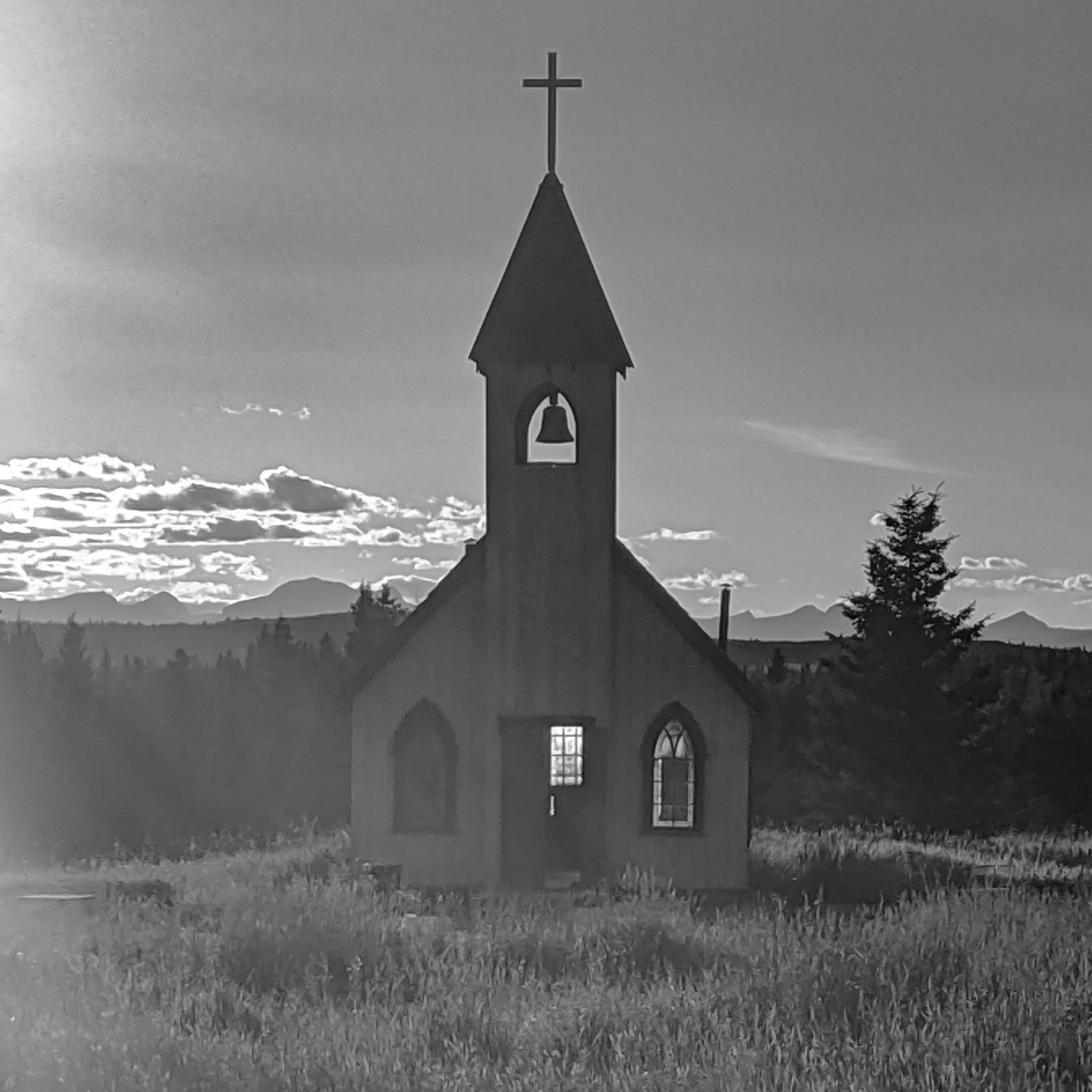
“If there is a person or group of people that makes you uncomfortable, it is that population whom you are to love.”
The Proposal
If I may be so bold, Church, it is your responsibility to show up when God seems not to for the hurting, the lost, the sick, the marginalized. Who exactly are these people? It’s the childless, the parentless. It’s divorced individuals and singles. It’s those dealing with addictions and vices. It’s the LGBTQ2S+ community members. It’s immigrants, or people of another background, culture or skin colour than yours. It’s the poor, those in prison, and those on the street. If there is a person or group of people that makes you uncomfortable, it is that population whom you are to love.
Church, when you say things like, ‘If you have enough faith’, ‘If you pray hard enough’, ‘If you give enough’, or even, ‘who will take care of you when you’re old? ', why would anyone not want _______?’, ‘Why would anyone want ________?’, you diminish the person or people who do not fit into your paradigm of ‘good’ or ‘blessed’ or ‘right’. Do not raise morally ambiguous topics to the same level as the Gospel. Do not shirk your duties to be Christ’s ambassador, to be perfect as He is perfect, to care for your neighbour.
When you tell me and those who look like me that we must change, that we must do something more, do something less, have more faith… You miss the point. If God took away the thing you attribute as a blessing from Him, would you still call God good? If God said no to a desire of your heart – a good desire no less – would you still be faithful? Would you still have faith enough that God is good and the circumstances in which you are without are good? If not, then your faith is misplaced. Your definition of good is backwards. Your idea of blessing is wrong.
Church, we're called to be the Good Samaritan. Be like Jesus at the well. Be a representative of the God who sees the ignorable, El Roi (Genesis 16:14), and extend the free, unadulterated gift of love to those around us, without looking down on anyone or being fearful of unknown and uncomfortable situations.
At the very least, consider: if someone's circumstances make you uncomfortable, how must they feel to the person who lives with those circumstances?
I don't wish this to be the only topic I write on, especially as my situation is my own and won’t be the same for you or someone going through a similar journey. But I do feel it is important to offer my perspective as it's not something widely talked about, particularly in Christian circles. As nerve-wracking as it is to share my prayers in front of a group of people or pour out my unprocessed feelings to a loved one, I know understanding and wisdom often grow from those situations. I hope this may offer an opportunity for growth in curiosity, humbleness and kindness in you too.
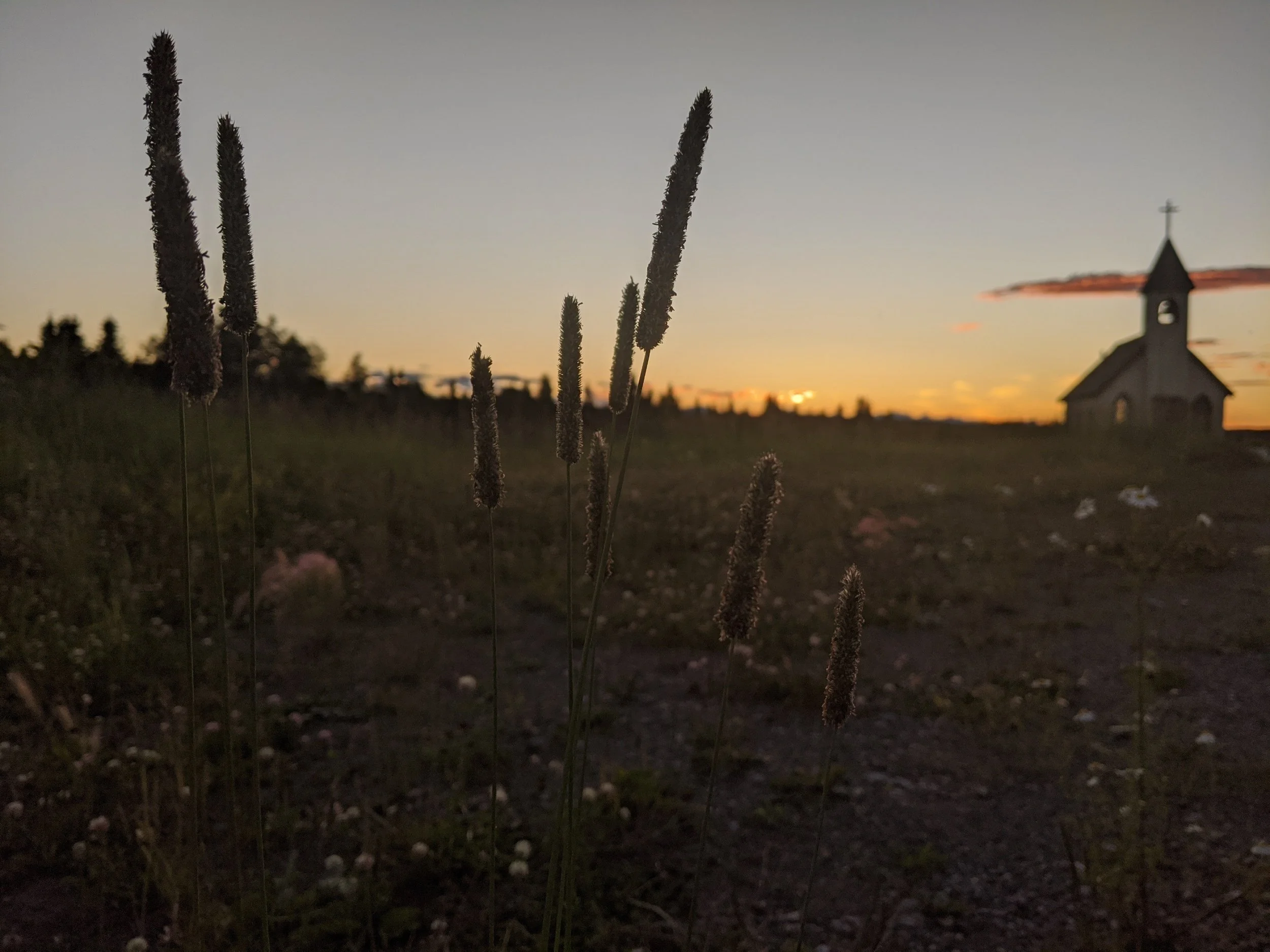
If someone's circumstances make you uncomfortable, how must they feel to the person who lives with those circumstances?
