The Rhythm of Beekeeping
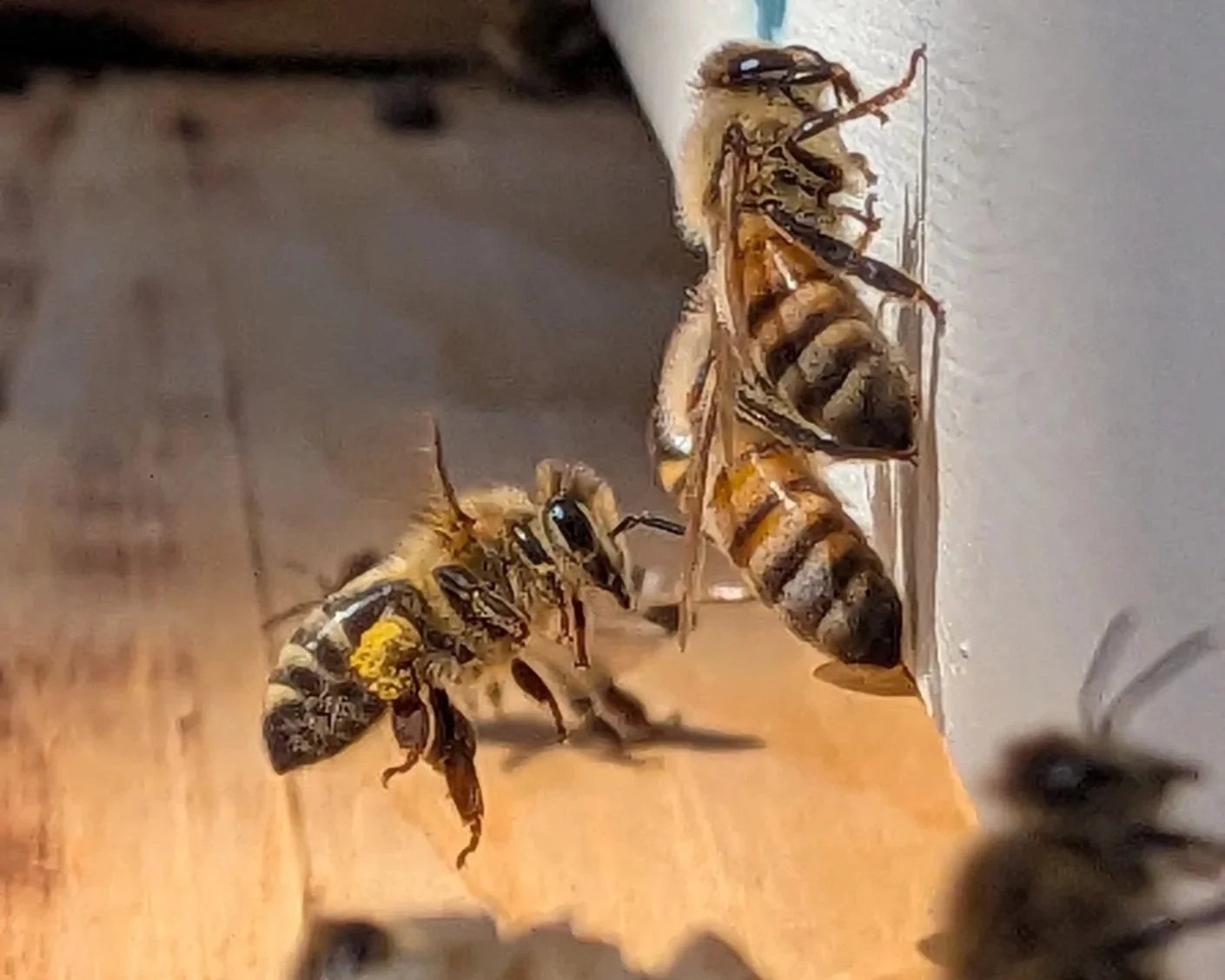
One of my favourite things to do now is sit with a cup of coffee beside my beehives (yes, now plural!) and watch as the honeybees flit to and from. There’s something beautifully calming about watching these ladies’ steady activity, akin to watching moving water or dancing flames. The movement is mesmerizing, and there’s something so grounding about the bees going about their day, working at collecting nectar and pollen, or caring for the queen or brood, cleaning up the hive, gathering water, making bee bread or royal jelly, organizing the stores, communicating where the next best patch of resources is… they have a task and do it. They do not worry. They do not panic. In fact, even when they have an enormous presence ripping open their home frame by frame, blowing smoke into their faces, and scraping off burr comb they’ve worked so hard to place, their movements are coordinated in figuring out what is happening, continuing with their roles, and quickly falling back into routine after the trauma of my inspection.
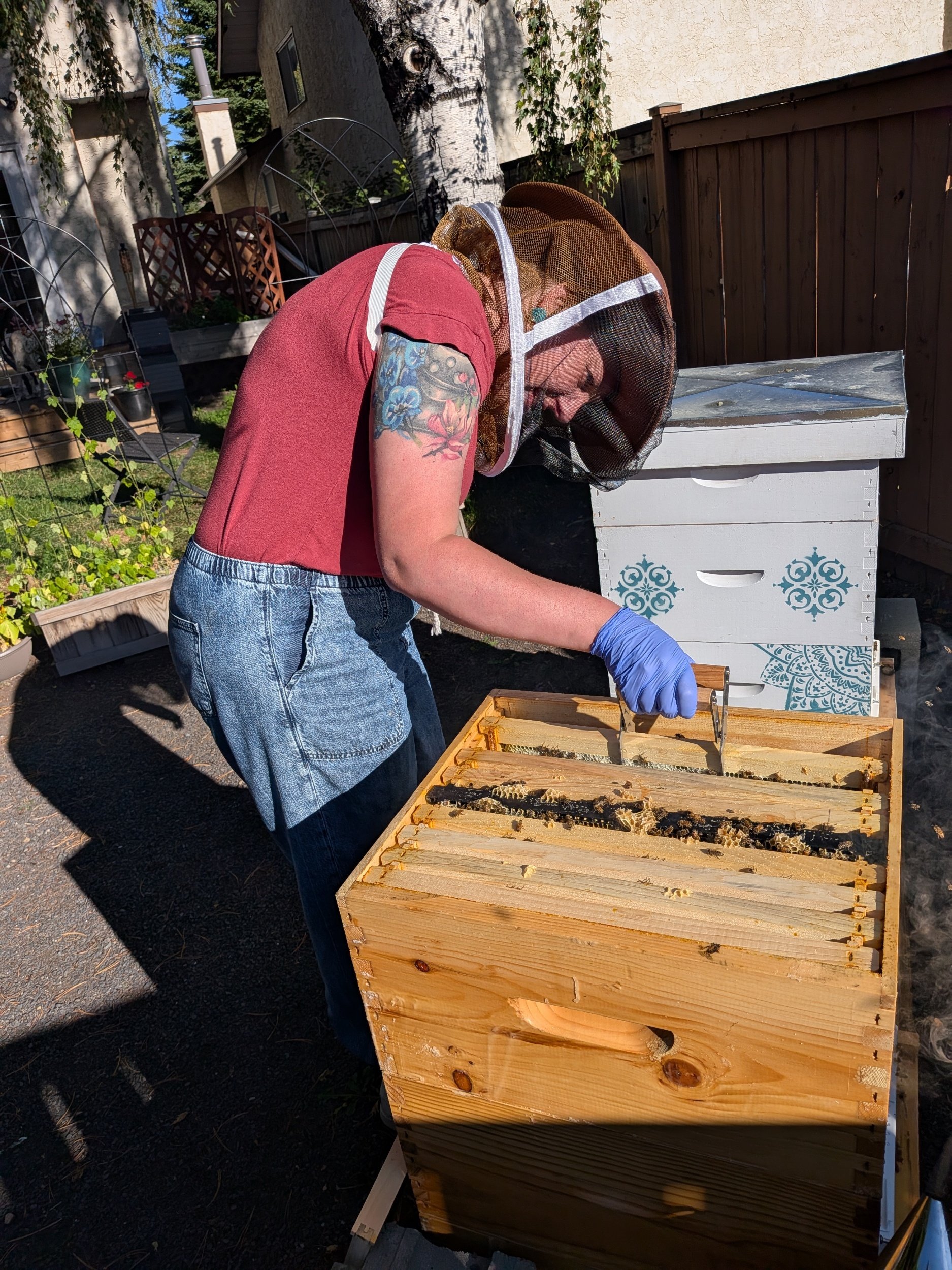
I’m still learning there's a lot to know about beekeeping. But more than that, there’s so much to learn from beekeeping and bees.
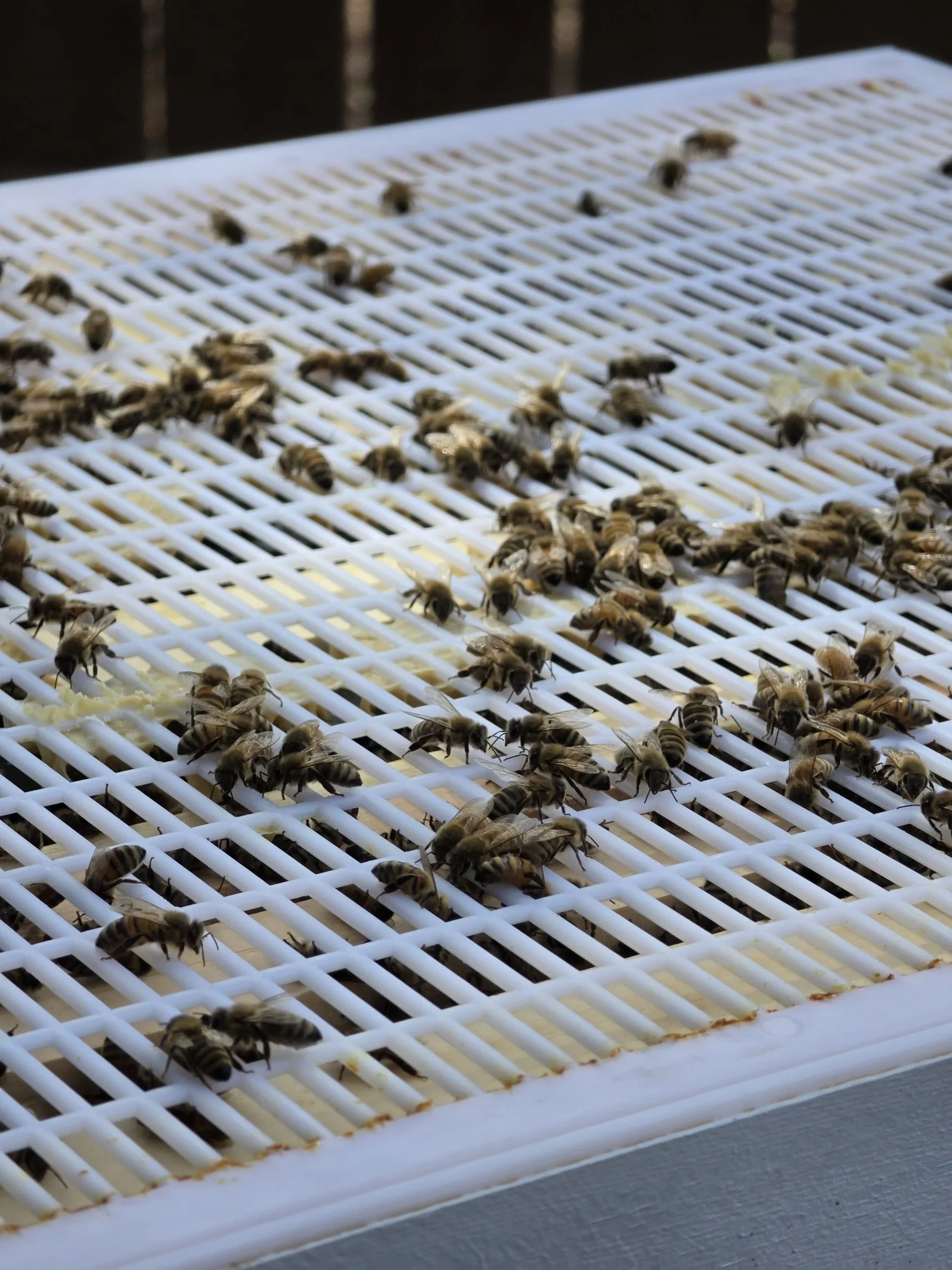
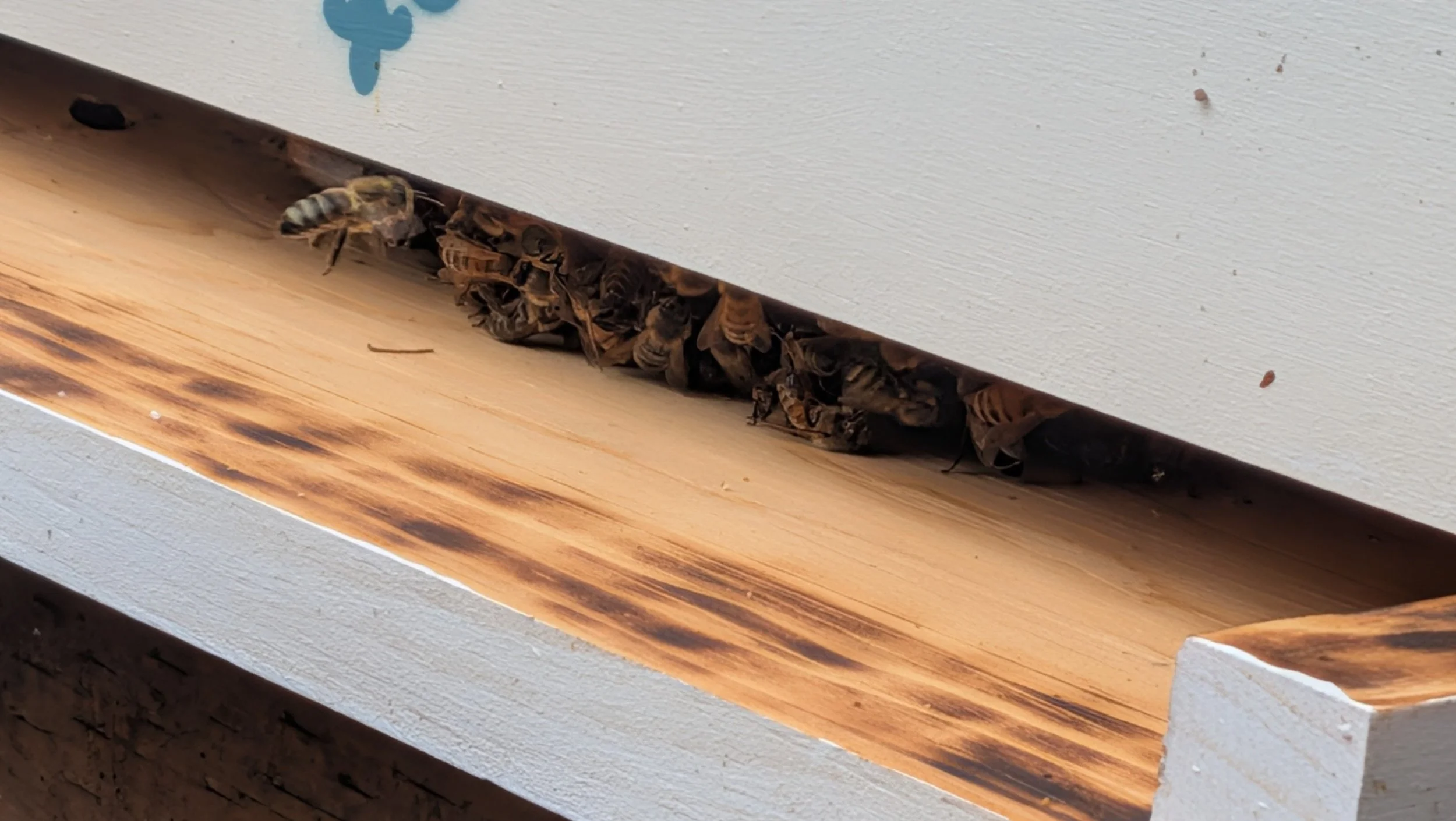
If you asked me what my favourite aspect of keeping bees is, I must say it’s the rhythms associated with keeping hives. It’s the rhythm of wings flapping softly or loudly depending on the mood of the colony. It’s the rhythm of spending time with the bees each week. It’s the rhythm of watching them go about their tasks, working hours I can get behind. The foragers fly from the moment the sun hits the landing boards until sunset, but they also take breaks to drink water, care for each other by cleaning one another, pause to dance, and rest when the weather is poor. When night falls they know it means it’s time to pause the hustle.
The rhythms the bees follow and that beekeeping provide have offered a grounding I desperately needed.
Even while unsure of what to do (because you’ll get a dozen opinions and options of which methods to use for splitting hives, supplementally feeding bees, managing the parasitic mites that piggyback on the them, and so on), I know the colonies are able to survive by themselves, and are resilient creatures which means I can take time to watch what they’re doing, learn from those who have gone before me in this hobby, and determine my next step. And if that doesn’t work, I can go back into the hives the next week and try something different. It’s a creative process. It’s a process that requires one to be observant and humble.
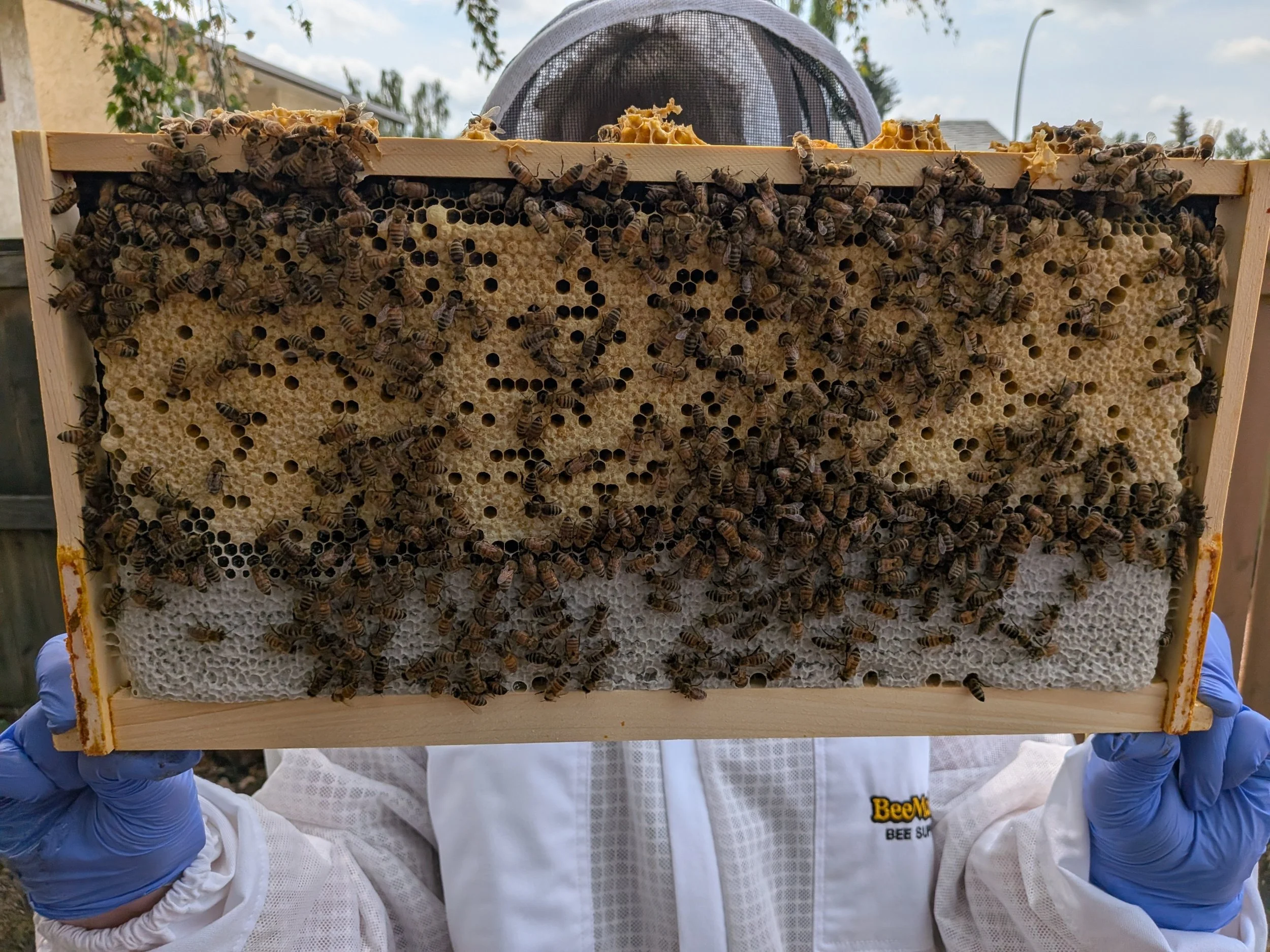
I could be overwhelmed by the vastness of worries beekeeping can bring if I try to solve every season in one day. I tend to be overwhelmed when given too much information at once. And friends, the past few months have been overwhelming.
While today, I’m a bit weary – and there have been a number of days where I’ve felt weary the past couple of months – there have also been a good number of days that have been filled with life-giving rhythms like caring for the bees and my gardens, spending time with friends and family, trying new things and getting back into old routines.
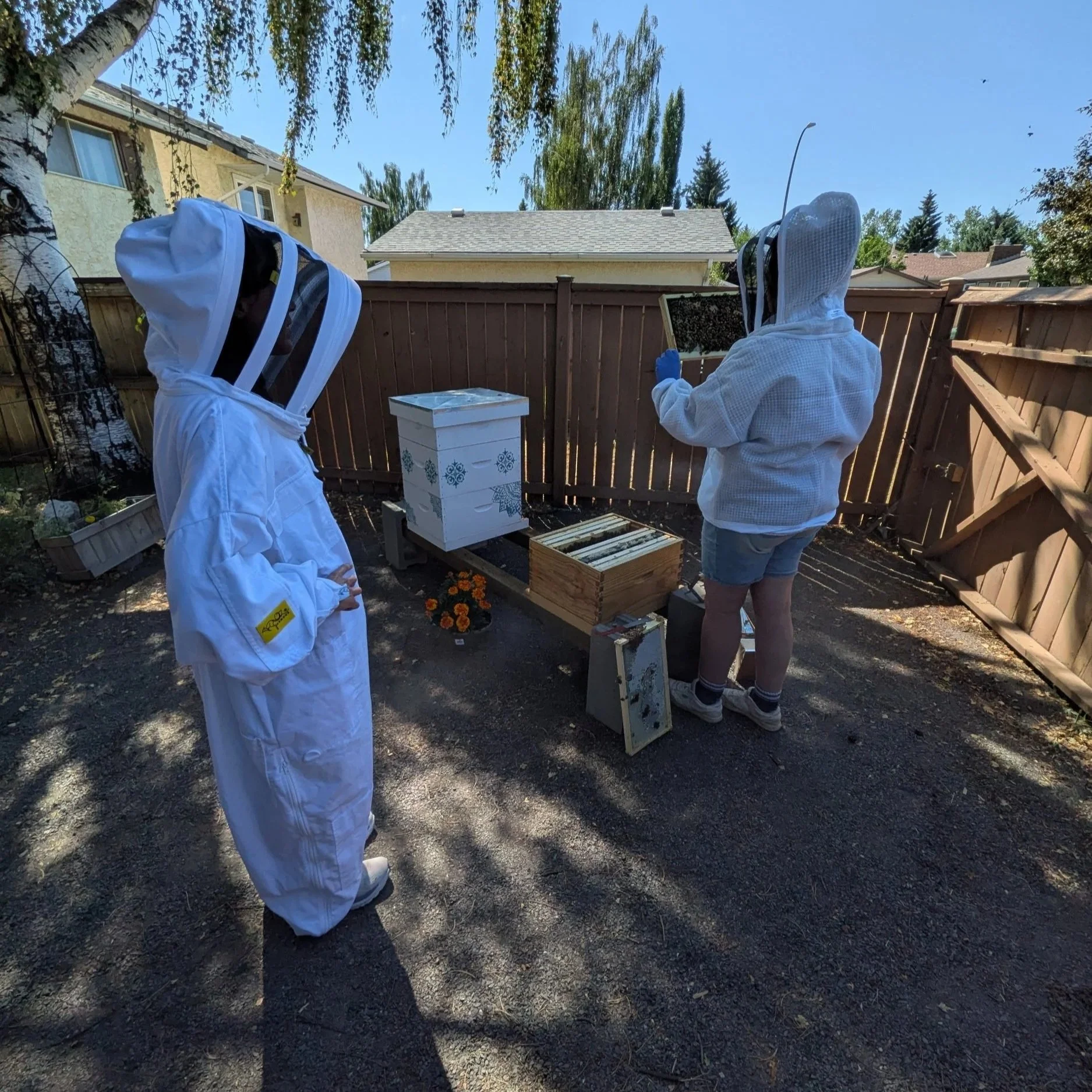
Going into September and fall, I hope both your days and mine are filled with healthy, heavenly rhythms. May we see beauty in the normalcy of common and unique things. May we be open to not worrying as we go about this day.
“Look at the birds. They don’t plant or harvest or store food in barns, for your heavenly Father feeds them…Look at the lilies of the field and how they grow. They don’t work or make their clothing, yet Solomon in all his glory was not dressed as beautifully as they are…so don’t worry about these things. Seek the Kingdom of God above all else, and live righteously, and he will give you everything you need. So don’t worry about tomorrow, for tomorrow will bring its own worries. Today’s trouble is enough for today.” - Jesus (Matthew 6:26-34)